 how-to
How to Manage Overgrown Acreage: A Practical Guide
Table of Contents
- How to Manage Overgrown Acreage: Start With a Site Assessment
- How to Clear Overgrown Land: Matching Method to Terrain
- Best Tools for Clearing Overgrown Land
- How to Cut an Overgrown Field in the Right Sequence
- Disposing of Cleared Material and Protecting Soil
- Overgrown Acreage Maintenance: A Season-by-Season Plan
- Conclusion: Bring the Block Back Under Control
- Frequently Asked Questions
Last Updated: October 12, 2026
How to Manage Overgrown Acreage: Start With a Site Assessment
Managing overgrown acreage starts with a full site assessment before any machine or tool touches the block. Walking the land first tells you what you are dealing with, where the hazards sit, and what you can legally clear.
At Terra Maintenance, we have worked across acreage blocks in the Dandenong Ranges and outer south-east Melbourne. The pattern is consistent: blocks that get a proper assessment before clearing stay clear longer. Blocks cleared blind always come back to bite you.
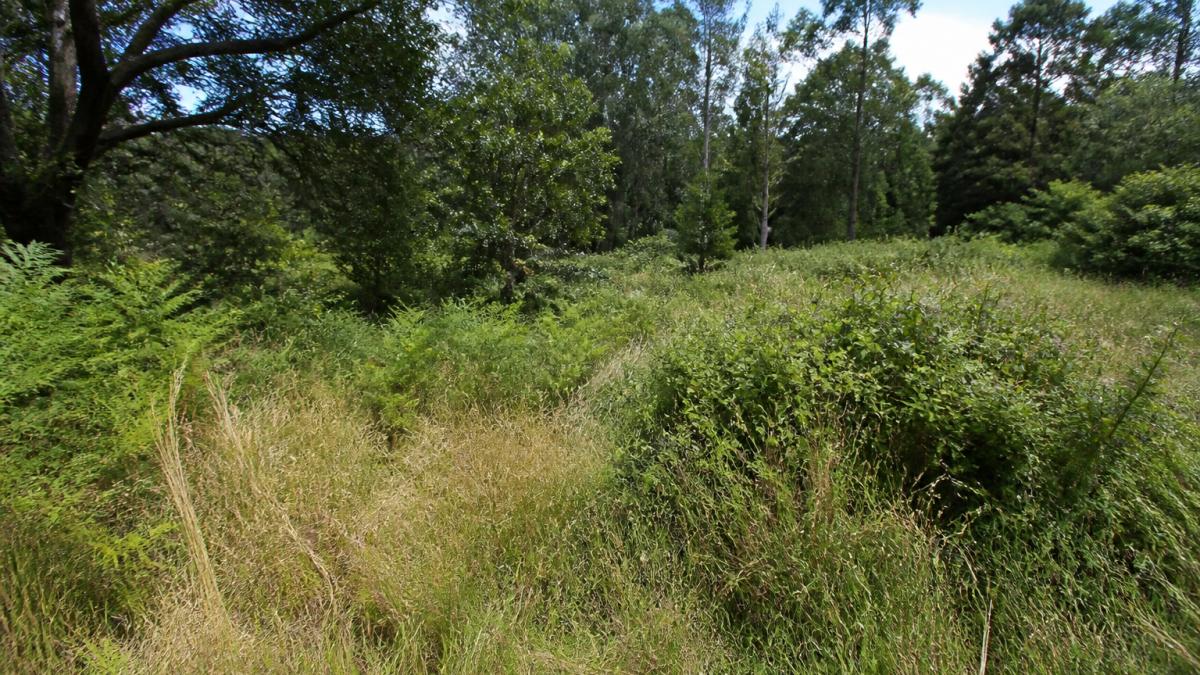
An overgrown acreage block is land that has been left unmanaged long enough for grass, weeds, brambles and woody plants to take over access routes, fence lines and open ground. The longer it sits, the more the vegetation layers on top of itself.
Below, we break down the full process: how to assess the site, how to clear overgrown land, which tools suit which terrain, and how to keep it clear season after season.
Walk the Block and Map the Vegetation
Walk the entire boundary and every internal track before you plan anything. Note what is growing where, and in what density.
- Grass and pasture: kikuyu, couch and buffalo are the common runners here. They spread fast in warm months.
- Dense undergrowth: bracken, tussock and long grass that hides the ground underneath.
- Woody plants: saplings, scrub and suckers that need cutting, not mowing.
- Brambles and vines: blackberry is a declared noxious weed in Victoria and needs specific handling. Ragwort is another one to identify early.
- Trees and regrowth: mature gum trees plus the seedlings and suckers around them.
Mark anything you cannot identify. Take photos. Note slope, drainage lines and where water sits after rain.
Check Hazards, Access and Legal Constraints
Hazards come before productivity. On sloping Ranges blocks, the risks stack up quickly.
- Slope and stability: steep ground changes what machinery is safe to use.
- Hidden objects: rocks, stumps, old fencing and rubble sit under long grass.
- Overhead lines: check for power and service lines before any tall work.
- Access: gate widths, driveways and track condition decide what can physically get in.
- Bushfire overlay: fuel reduction obligations apply on many blocks in this region. Check your council's requirements before you start.
- Protected vegetation: some trees and native vegetation need a permit before removal. Confirm with your local council first.
How to Clear Overgrown Land: Matching Method to Terrain
The right clearing method depends on three things: what is growing, how steep the ground is, and how much access you have. Match the method to the terrain and the work goes quickly. Mismatch it and you will fight the block all day.
Slashing, Mulching or Hand Clearing
There is no single best method. There is only the right method for each patch of ground.
| Method | Best For | Limitations |
|---|---|---|
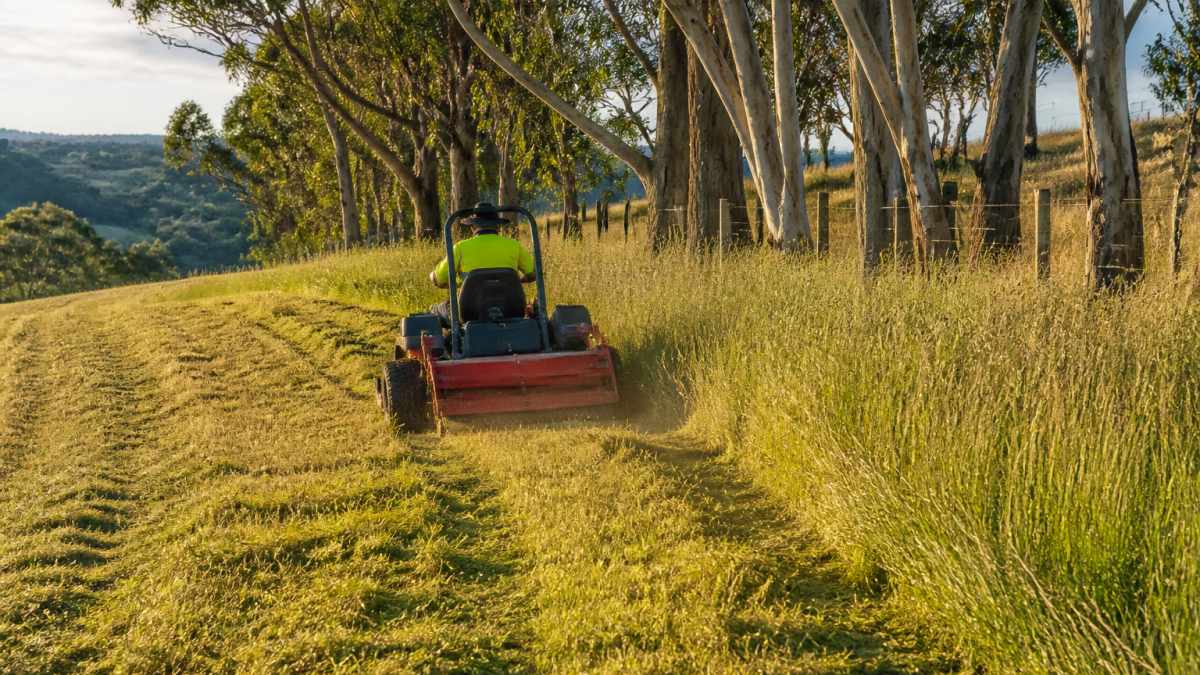
| Slashing | Open grass, pasture, large flat areas | Struggles on steep slopes and thick woody growth |
| Mulching | Dense undergrowth, scrub, brambles | Slower on very steep or rocky ground |
| Hand clearing | Steep banks, tight access, around structures | Slow, labour-heavy on large areas |
| Brushcutting | Edges, fence lines, awkward corners | Not suited to heavy woody plants |
For most acreage blocks, the practical answer is a mix. Slash the open ground, mulch the scrub, and hand clear the spots machines cannot reach.
Best Tools for Clearing Overgrown Land
The best tools for clearing overgrown land are the ones matched to your vegetation and slope, not the biggest ones you can buy. On Ranges blocks, a slasher or ride-on mower handles open grass, a mulcher takes scrub and brambles, and hand tools finish the edges.
For smaller jobs or tight access, the basics still work:
- Brushcutter for long grass, edges and fence lines
- Chainsaw or pruning saw for saplings and woody stems
- Spade and mattock for digging out roots and crowns
- Hatchet for cutting back smaller regrowth
- Rake and pitchfork for gathering cut material
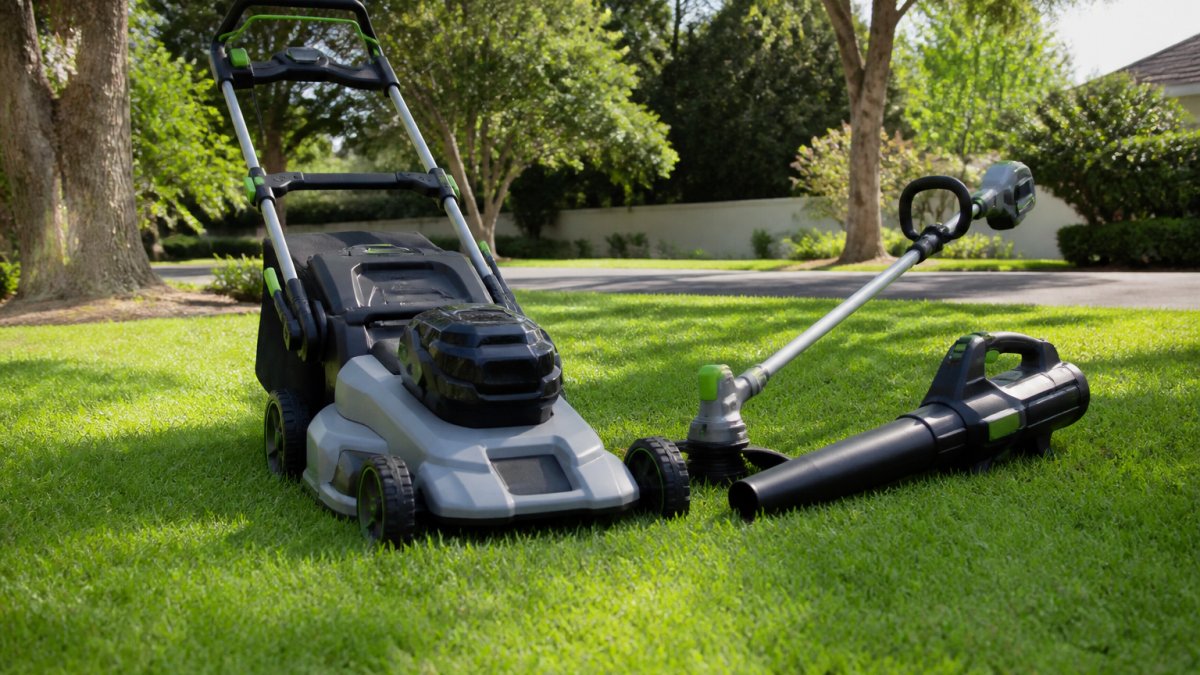
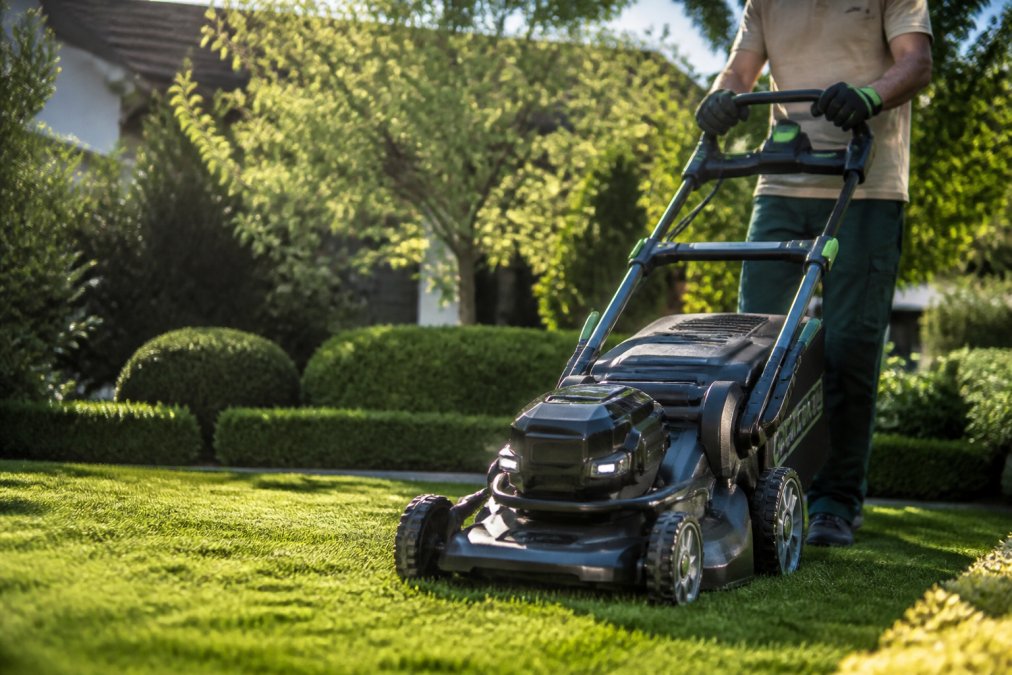
On steep or soft ground, tracked machines hold better than wheeled ones. Battery-powered gear suits quiet areas and smaller blocks, and produces no exhaust fumes around stock or waterways.
How to Cut an Overgrown Field in the Right Sequence
How to cut an overgrown field comes down to sequence. Work from the outside in, and from the easiest ground to the hardest. That keeps an escape route open and stops you getting boxed in.
- Clear the boundary and access tracks first. You need a way in and out at all times.
- Slash the open grass next. This opens sight lines and reveals what is underneath.
- Cut woody plants and saplings after that. Work back towards the denser patches.
- Tackle brambles and vines last. They are slow work and need the most care.
- Work in passes, not one sweep. A first cut high, then a second cut lower, is faster and safer than forcing one deep pass.
Do the heavy clearing during active growth in spring and early summer.
Disposing of Cleared Material and Protecting Soil
Cleared material is a resource, not just waste, and the way you handle it decides whether the block stays stable or starts losing topsoil. Most guides stop at "chip it or bin it". The responsible approach treats disposal, drainage and habitat as one decision.
Processing and Reusing Cleared Material
- Mulch and chip on site where access allows. Spread it on bare ground or around plantings to hold moisture and suppress regrowth.
- Green waste can go to a licensed facility if you cannot process it on site. Check what your council accepts, as some do not take noxious weeds.
- Stack larger timber for firewood or habitat, away from structures and away from any fuel reduction zone.
- Never leave cut brambles in piles on bare soil. Blackberry and similar species reshoot from contact points where canes touch ground.
- Keep noxious weed material separate. Ragwort and blackberry should not be spread into clean areas or used as mulch until fully broken down.
Protecting Soil, Drainage and Habitat
Bare ground on a slope loses topsoil fast in heavy rain, and the clay soils common in this region shed water rather than absorbing it once compacted or stripped.
- Leave mulch cover. A layer of chipped material slows runoff and protects structure.
- Retain root structure where you can. Grubbing out every stump on a slope removes the mesh that holds soil in place.
- Work across the slope, not straight down it. Cutting lines that run downhill become channels for water.
- Protect drainage lines. Keep a vegetated buffer along gullies and creeks. Clearing to the edge accelerates erosion and may breach local rules.
- Keep some habitat. Retain hollow logs, standing dead trees away from structures, and patches of dense vegetation. These support native birds, reptiles and pollinators and reduce the amount of ground you need to manage.
- Avoid scraping bare. A light cut that leaves stubble and roots is more stable than a scalped surface.
A Phased Plan After Initial Clearing
Clearing is the reset. What holds the result is a maintenance rhythm that matches the seasons.
| Season | Focus |
|---|---|
| Spring (Sep-Nov) | Slash actively growing grass before it seeds, spot-treat weeds, check fence lines and drainage |
| Summer (Dec-Feb) | Maintain fuel reduction zones, keep grass down, monitor Fire Danger Period restrictions |
| Autumn (Mar-May) | Clear gutters and drains, mulch bare ground before winter, cut back regrowth |
| Winter (Jun-Aug) | Plan the year's clearing, service equipment, tackle accessible woody weeds |
Two or three passes a year on high-growth areas keeps a block manageable. Consistency beats catch-up work every time.
Overgrown Acreage Maintenance: A Season-by-Season Plan
Overgrown acreage maintenance is what stops the block returning to its old state. Clearing is the reset. Maintenance is what holds it.
| Season | Key Tasks |
|---|---|
| Spring (Sep-Nov) | Slash actively growing grass, spot-spray or dig weeds, check fence lines |
| Summer (Dec-Feb) | Maintain fuel reduction zones, keep grass down, watch for fire restrictions |
| Autumn (Mar-May) | Clear gutters and drains, mulch bare ground before winter, cut back regrowth |
| Winter (Jun-Aug) | Plan the year's clearing, service equipment, tackle accessible woody weeds |
A simple schedule works better than an intense one-off effort. Two or three passes a year on the high-growth areas keeps the block manageable. Terra Maintenance runs scheduled acreage programs for exactly this reason: consistency beats catch-up work every time.
Conclusion: Bring the Block Back Under Control
An overgrown block is a manageable problem when you break it into stages. Assess the site, match the method to the terrain, clear in the right sequence, and protect the soil as you go. The final step is the one most people skip: a maintenance schedule that keeps it clear.
Terra Maintenance handles overgrowth management, land clearing and ongoing acreage maintenance across the Dandenong Ranges and outer south-east Melbourne. We are fully insured, owner operated by Harrison and Jesse Ashford, and we use quiet battery-powered equipment suited to sensitive areas. Our team works to council compliance standards and can provide documentation for rental and compliance requirements.
Get an estimate from Terra Maintenance and bring your block back under control.
Frequently Asked Questions
How often should overgrown acreage be mown once it is back under control?
Most acreage blocks in the Dandenong Ranges need mowing or slashing every four to six weeks through spring and summer, when kikuyu and couch are actively growing. Ease back to every eight to ten weeks in autumn and winter, when growth slows. Steep or shaded blocks may need less. A regular schedule stops the block returning to the state it was in before clearing, which is far cheaper than starting over each year.
What is the cheapest way to clear land?
Doing the work yourself with a brushcutter and hand tools costs the least in cash but takes the most time, and steep or heavily overgrown blocks make it slow and risky. Hiring a contractor with a slasher or mulcher is usually the most efficient option for larger blocks, because the work is done in a fraction of the time and the material is processed on site. Get an estimate based on your block size, slope and access before deciding.
When should you hire a professional to clear overgrown acreage?
Bring in a professional when the block has been neglected for a year or more, when blackberry or other noxious weeds have taken hold, when the slope makes machine work risky, or when council fire hazard rules require the work done by a set date. A contractor with the right machinery and insurance handles the heavy clearing, and can set up a maintenance schedule so the block stays manageable.
How do you manage weeds on a large property without chemicals?
Repeated cutting before weeds set seed is the main tool. Slash blackberry and other woody weeds while they are actively growing, then return every few weeks to cut regrowth. Mulching or chipping the cut material and spreading it back on the ground suppresses new growth and feeds the soil. For declared noxious weeds, check with your local council about your obligations, since some species must be controlled or reported.