 how-to
How to Find Reliable Contractors: A Step-by-Step Guide
Table of Contents
- Define Your Project Scope and Budget
- Where to Find Reliable Contractors
- Check Licenses, Registration and Qualifications
- Verify Insurance and Certifications
- Questions to Ask a Landscaping Contractor
- How to Check Contractor References and Review Past Work
- Garden Maintenance Contractor Checklist and Scope of Work
- Compare Estimates and Written Agreements
- Frequently Asked Questions
Last Updated: October 17, 2026
Define Your Project Scope and Budget
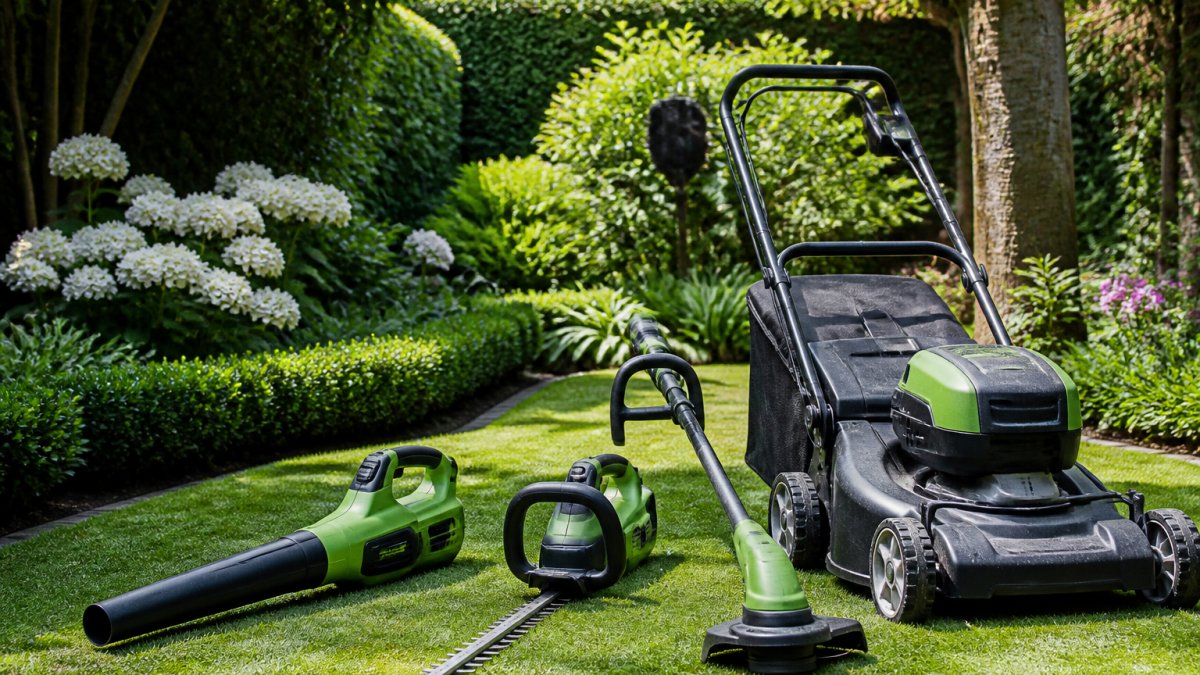
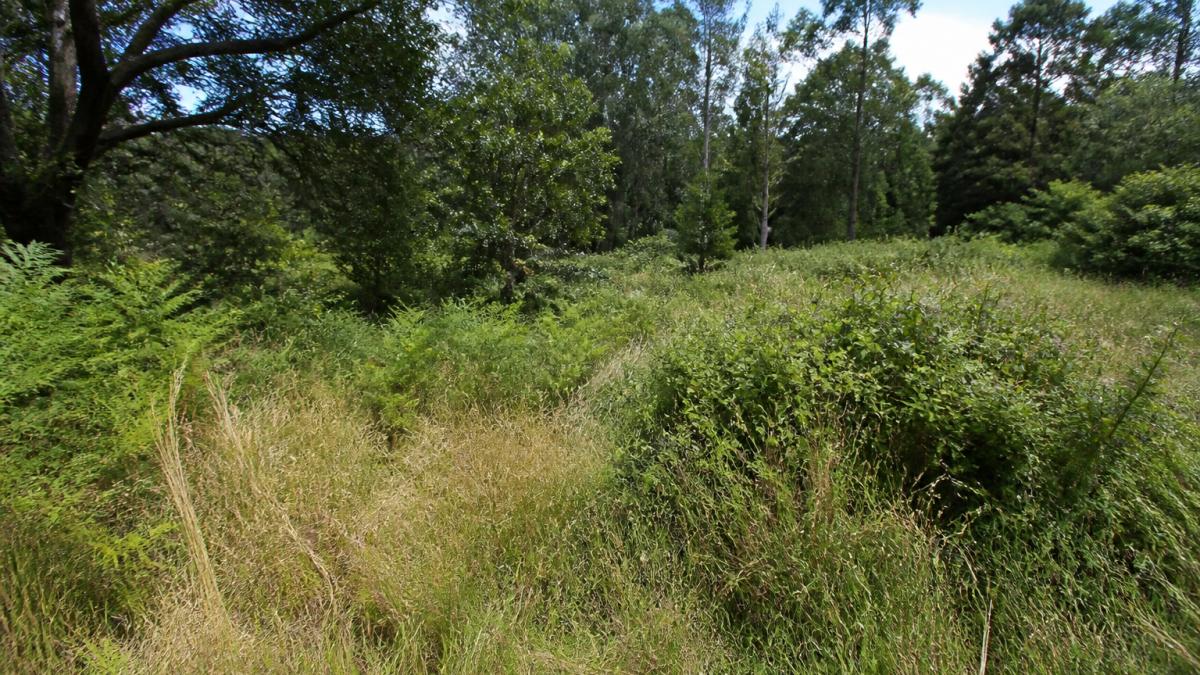
Before you contact any contractor, know exactly what you need done. Write down the work clearly: lawn mowing, hedge trimming, overgrowth management, or a combination.
Set a realistic budget. Costs depend on property size, site access, the type of work, and how often you need it.
Document your goals too. Do you want regular scheduled maintenance, a one-off clean-up, or seasonal work? Are you managing a rental property and need council compliance documentation?
Where to Find Reliable Contractors
Finding reliable contractors starts with local networks. Ask neighbours, friends, and local property managers who they use.

Check online review platforms and industry directories. Look for contractors with consistent ratings and detailed customer feedback.
Search for contractors in your area using Google Maps and business directories.
Contact local councils or property management associations. They often maintain lists of approved or recommended tradespeople.
Ask contractors directly where they've worked locally. A contractor with local jobs has proven reliability in your area.
Check Licenses, Registration and Qualifications
Reliable contractors hold the right qualifications for their work.
Ask for proof of current qualifications. Arborists working on trees need a current chainsaw operator's licence and relevant certifications.
Verify their business registration. You can check this on the ASIC business lookup website.
Ask whether they hold any industry certifications. Membership in industry associations shows they meet professional standards. These memberships often require ongoing training and compliance.
Request documentation of any relevant training. For example, contractors handling weed management should understand chemical safety and Victorian pesticide regulations. Contractors working on council compliance projects should know the Victorian planning and building regulations that apply to your property.
Verify Insurance and Certifications
Insurance is non-negotiable. A reliable contractor carries public liability insurance. This protects you if someone is injured or property is damaged during the work. Ask for a copy of their current certificate of currency and check it before work starts.
How to verify a certificate of currency
A certificate of currency is a one-page summary from the insurer. It is not the full policy, but it shows the key details you need to confirm. Check these fields:
- Insured name and ABN: must match the business name on the estimate and the ABN you looked up on the Australian Business Register.
- Policy type: public liability is the minimum. Ask whether products liability or contract works cover is included if relevant.
- Coverage amount: for residential work, public liability cover of a substantial amount is standard. Check the figure, not just the word "covered".
- Policy period: the dates must cover the work. A certificate that expired last month is not proof of current cover.
- Exclusions: read the small print. Tree work, chemical application, and work on steep or sloping blocks are sometimes excluded or require notification to the insurer.
Workers' compensation
Ask whether they carry workers' compensation insurance if they employ staff. In Victoria, businesses with employees must hold a WorkSafe Victoria policy. Ask for the policy number and check it on the WorkSafe Victoria website. If a worker is injured on your property and the contractor is not covered, you may face legal liability.
Industry certifications and memberships
Ask whether they hold any industry certifications. Membership in industry associations such as Landscape Victoria or similar bodies shows they meet professional standards. These memberships often require ongoing training and compliance. Request the membership number and confirm it directly with the association.
Qualifications for specialist work
Request documentation of any relevant training. For example, contractors handling weed management should understand chemical safety and Victorian pesticide regulations. Contractors working on council compliance projects should know the Victorian planning and building regulations that apply to your property. Arborists working on trees need a current chainsaw operator's licence and relevant certifications.
Questions to Ask a Landscaping Contractor
Ask these questions to find reliable contractors and understand how they work.
Experience and local knowledge:
- How many years have you been in business? (Terra Maintenance has 3+ years of experience.)
- How many local properties do you maintain regularly? (Terra Maintenance maintains 320+ local properties.)
- What council compliance work have you done?
Work quality and process:
- How do you handle overgrowth management on steep or sloping blocks?
- What equipment do you use? (This matters for noise, soil compaction, and environmental impact.)
- Can you provide before-and-after photos from recent projects?
Scheduling and reliability:
- How do you schedule work? (GPS-optimised scheduling can indicate professionalism.)
- What happens if you cannot make a scheduled appointment?
- Do you send the same team each time or rotate staff?
Documentation and compliance:
- Do you provide written confirmation of work completed?
- Can you supply documentation for council compliance projects?
- How do you handle change orders if the scope changes?
Communication:
- How do I contact you if I have concerns?
- How often will you update me on progress?
- What's your response time for questions or issues?
Ask these questions of every contractor you're considering. Their answers reveal how professional and reliable they are.
How to Check Contractor References and Review Past Work
Ask every contractor for references. Request contact details for at least three recent clients. A reliable contractor will provide these willingly.
Contact the references directly. Ask specific questions:
- Was the work completed on time?
- Did the contractor communicate well?
- Was the quality of work satisfactory?
- Would you hire them again?
Ask to see a portfolio of recent work. Photos of completed projects show the contractor's standard.
Visit completed projects if possible. Seeing work in person reveals quality better than photos.
Check online reviews across multiple platforms. Google Maps, Facebook, and industry review sites all provide customer feedback.
Ask about work on properties similar to yours.
Garden Maintenance Contractor Checklist and Scope of Work
Use this checklist before hiring. Tick off each item as you verify it.
| Verification Step | Status | Notes |
|---|---|---|
| Business registration checked on ASIC | ☐ | ABN verified |
| Current public liability insurance sighted | ☐ | Substantial cover |
| Workers' compensation insurance confirmed | ☐ | If applicable |
| Local references contacted | ☐ | At least 3 |
| Portfolio reviewed | ☐ | Similar project types |
| Online reviews checked | ☐ | Across multiple platforms |
| Qualifications verified | ☐ | Relevant certifications |
| Equipment and methods discussed | ☐ | Noise, safety, environmental impact |
| Written scope of work provided | ☐ | Clear deliverables |
| Communication plan established | ☐ | Contact method and frequency |
What to Include in a Garden Maintenance Scope of Work
A written scope of work protects both you and the contractor. It should include:
Work to be performed:
- Specific tasks (mowing, trimming, clearing, mulching)
- Frequency (weekly, fortnightly, monthly, one-off)
- Property boundaries and areas to be maintained
Site conditions:
- Property size and terrain
- Special challenges (steep slopes, dense overgrowth, clay soils)
- Any restricted areas or sensitive plantings
Equipment and methods:
- Type of equipment to be used
- Noise considerations
- Environmental practices (battery-powered vs. petrol, disposal of green waste)
Deliverables:
- What constitutes completed work
- Standards for grass height, hedge shape, or clearing
- Site cleanup and waste removal
Timeline and scheduling:
- Start date and duration
- Specific days/times for regular work
- Notice required for cancellation or changes
Documentation:
- Whether photos or completion reports will be provided
- Council compliance documentation if applicable
- Change order process if scope changes
Payment terms:
- Total cost or hourly rate
- Payment schedule (deposit, progress payments, final payment)
- Invoice details and payment method
Communication:
- Primary contact person
- How to report issues or request changes
- Response time for queries
A clear scope prevents misunderstandings and disputes. Both you and the contractor should sign and keep a copy.
Compare Estimates and Written Agreements
Get written estimates from at least three contractors. This lets you compare pricing, services, and terms fairly. But comparing on price alone is a mistake. Use a structured comparison so you can see what each estimate actually covers.
Build a side-by-side estimate comparison
Create a simple table with one column per contractor and one row per item. Fill it in as you read each estimate. This forces you to compare like with like.
| Comparison item | Contractor A | Contractor B | Contractor C |
|---|---|---|---|
| Scope of work (tasks listed) | |||
| Frequency or number of visits | |||
| Site access and travel time | |||
| Waste removal and green waste disposal | |||
| Equipment type (battery vs petrol) | |||
| Materials and allowances (mulch, herbicide) | |||
| Start date and completion window | |||
| Payment schedule and deposit | |||
| Insurance and licence evidence attached | |||
| Exclusions and assumptions |
A low estimate might exclude work a higher estimate includes. Check what is covered: site cleanup, waste removal, documentation, travel time. Look beyond price. Consider the contractor's reliability, communication style, and experience with your specific needs. The cheapest option is not always the best value.
Payment safeguards and project-stage milestones
A reputable contractor will accept staged payments tied to completed work, not full payment upfront. Discuss deposit requirements and final payment timing. A common pattern is a modest deposit to secure a start date, progress payments at agreed milestones, and a final payment after you have inspected the work. Avoid paying the full amount before work begins. Keep a written record of each payment and the milestone it relates to.
Contract clauses to check before signing
Request a written agreement before work starts. This should include the scope of work, timeline, payment terms, and what happens if circumstances change. A written agreement protects you both. Read it for these clauses:
- Scope changes and change orders: how are additions or reductions priced and approved? Get changes in writing before work proceeds.
- Delays: what happens if weather or access issues push the schedule? Is there a process for notifying you?
- Defects and rectification: what is the process if work is not to standard? What timeframe applies?
- Termination: how can either party end the agreement, and what notice is required?
- Dispute resolution: what steps apply if you disagree? Many contracts require a period of negotiation or mediation before further action.
- Cancellation: what happens if you need to pause work or add tasks? How much notice is required? Are there penalties?
Frequently Asked Questions
What is the best way to find a reputable contractor?
Start by defining your project clearly, then search through local trade directories, ask for referrals from neighbours, and check online reviews on trade review websites. Once you have candidates, verify their licence and registration with the relevant state authority, confirm their insurance coverage, review their portfolio of previous work, and contact at least two references. Request written estimates from multiple contractors so you can compare scope, timeline, and costs before making a decision.
How can I verify a contractor's insurance and experience?
Ask the contractor for a copy of their current liability insurance certificate and workers' compensation insurance (if applicable). Check the insurer's details independently if needed. For experience, review their portfolio of previous work in similar projects, ask how long they have been operating, and contact their references to discuss the quality and reliability of their work. Ask specifically about projects on properties with similar conditions to yours, such as sloping blocks or overgrown areas.
What questions should I ask a landscaping contractor before work begins?
Ask about their experience with your specific project type, timeline and availability, how they handle weather delays, their communication process during the project, whether they provide documentation of completed work, how they manage changes to the scope, payment terms and schedule, and what happens if you are unsatisfied with the work. For garden maintenance, ask about equipment they use, frequency of visits, seasonal adjustments, and whether they follow local council regulations such as grass height requirements.
What should a written scope of work include for garden maintenance?
A scope of work should specify the exact services provided (mowing, hedge trimming, weed management, etc.), frequency of visits, areas of the property covered, quality standards expected, materials to be used, timeline for completion, payment terms and total estimate, and what is excluded. For properties in fire-prone areas, include any fuel reduction or fire hazard compliance requirements. Include details about communication, how changes will be handled, and what documentation will be provided to confirm work completion and compliance.