 how-to
Residential Garden Maintenance Emerald Victoria Guide
Table of Contents
- What Residential Garden Maintenance in Emerald Victoria Actually Involves
- Your Seasonal Garden Maintenance Checklist for the Dandenong Ranges
- Lawn Mowing Services Emerald: What to Expect and How Often
- Acreage Property Maintenance Tips for Large Blocks
- DIY vs Professional Garden Maintenance: A Straight Comparison
- Council Compliance, Green Waste and Documentation
- Frequently Asked Questions
Last Updated: September 15, 2026
What Residential Garden Maintenance in Emerald Victoria Actually Involves
Residential garden maintenance is the scheduled care of a private property's lawns, hedges, trees, garden beds and green waste to a consistent standard across the year. On a large hills block, mowing, pruning, weed control, mulching and waste removal work together, not as separate jobs.
This guide from Terra Maintenance covers what a maintenance program includes, how the seasons shape the work, and whether you need a contractor or can DIY.
The blocks here are not suburban. Steep driveways, dense tree cover and fast spring growth change what equipment and scheduling a property needs, get those wrong and the garden wins by December.
Your Seasonal Garden Maintenance Checklist for the Dandenong Ranges
A seasonal garden maintenance checklist ties tasks to the growing cycle rather than the calendar month, so each season starts from a manageable base.
The seasons here do not run to the same clock as the flatland suburbs. Cooler temperatures, higher rainfall and heavy overnight dew push growth later into spring and pull it back earlier in autumn. Elevation matters too: a block at 400 metres runs two to three weeks behind one in the valley, and frost pockets in shaded gullies can delay soil warm-up by a month (bom.gov.au). Adjust the timing below to your elevation, aspect and shade load.
| Season | Core Tasks | Frequency | Watch For |
|---|---|---|---|
| Spring | Soil prep, mowing, weed spraying, mulching | Fortnightly | Growth surges after rain; fungal pressure in humid spells |
| Summer | Mowing, irrigation checks, hedge trimming | Fortnightly | Dry patches, fire fuel load, heat stress on cool-climate species |
| Autumn | Leaf clearing, pruning, fertilising, aeration | Fortnightly | Gutters and drainage; the main planting window |
| Winter | Structural pruning, green waste removal, site checks | Monthly | Waterlogging, storm damage, frost damage on tender plants |
Spring: Soil Preparation and Growth Control
Spring is where soil health is decided. Aerate compacted lawns, top-dress bare patches and mulch beds before the growth flush, not after. The flush arrives later than most mainland calendars suggest, so wait until soil temperature is consistently rising and the risk of a late frost has passed before feeding heavily.
Weed spraying needs to start early, once weeds seed, you are managing next season's problem too. High rainfall makes weed pressure heavier than on drier ground, and creeping buttercup, onion weed, ivy and blackberry on boundary lines can take over a damp bed in a single season. Mowing moves to a fortnightly cycle until growth slows.
Spring is also the season to watch for fungal problems. Cool, humid conditions favour certain issues, and dense tree canopy keeps foliage wet for longer. Thinning overhanging branches and avoiding late-evening watering does more than any spray.
Summer: Heat, Fire Fuel and Water-Wise Care
Summer in the hills is milder than the flatland, but fire risk is real and drying is uneven, north-facing slopes and exposed ridges dry out weeks before shaded gullies. Irrigation checks come first: inspect dripper lines, replace blocked emitters and check mulch depth, because a 75mm layer of coarse mulch holds soil moisture far longer than a thin scatter.
Mowing height should rise in summer, not fall. Longer grass shades the soil, reduces water demand and keeps roots cooler; on exposed slopes, scalping in January can set a lawn back a full season.
Fire fuel load is the other summer job. Grass and fine fuel around the house, along driveways and under trees must be kept low, and green waste removed promptly rather than stockpiled against a fence.
Autumn: The Most Important Season on the Ranges
Autumn decides how your property looks in spring. It is the window for pruning, feeding and clearing before growth stops, and the best planting window of the year: cool soil, reliable rainfall and a long run-in to winter let new plants establish roots before summer.
Fallen leaves are the biggest job on tree-heavy blocks, left in place they smother lawn, block drainage and create a slip hazard. Book green waste removal early, because everyone on the hill wants it in the same three weeks, and clear gutters and stormwater pits before the winter rains.
Autumn is also the time for soil correction. A slow-release feed now will do more for spring growth than anything applied in September. Most hill soils are acidic, which suits tree ferns, rhododendrons and camellias but suppresses lawn and vegetable beds (agriculture.vic.gov.au).
Winter: Structure, Drainage and Storm Readiness
Winter is quiet for growth but busy for structure. With sap down and most plants dormant, it is the safest window for structural pruning of hedges, and for removing deadwood before storm season.
Waterlogging is the main winter problem on heavy clay and cut-and-fill driveways. Check drainage lines, spoon drains and agi pipes before the worst of the rain, and watch low corners where water pools. Storm damage is common on tree-heavy blocks, so a pre-winter inspection of large limbs over structures, driveways and powerlines beats a reactive clean-up.
Frost is the other winter risk. Tender plants in exposed positions can be burnt off by a single clear, still night, and damage is often not visible until spring. A temporary cover or moving pots under canopy is a simple, low-cost measure.
Lawn Mowing Services Emerald: What to Expect and How Often
Professional lawn mowing services in Emerald typically run fortnightly through the growing season and monthly through winter. Frequency matters more than any single visit: consistent cutting keeps grass at a height that discourages weeds and reduces thatch.
The mowing job here is shaped by three local factors: grass species, terrain and climate. Cool-season grasses such as tall fescue, ryegrass and couch and kikuyu mixes behave differently in a cool, high-rainfall environment than on the flat. Tall fescue thins out and dies back if cut too short in summer, and kikuyu invades every garden bed if edges are not kept sharp.
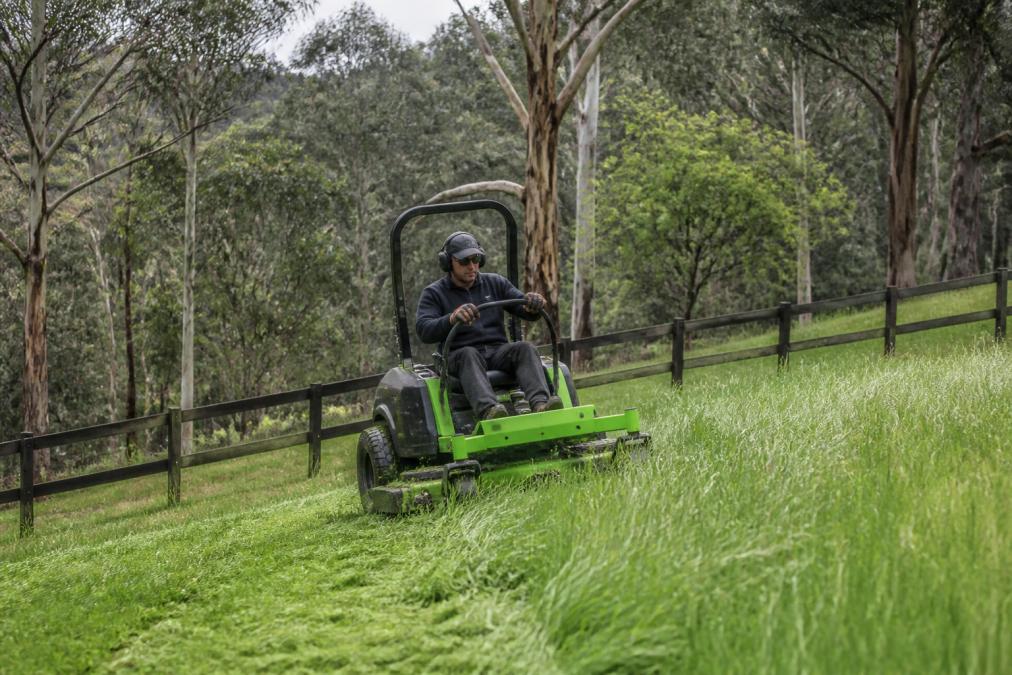
Terrain is the second factor. Many hill blocks have slopes a standard push mower cannot safely hold, and wet ground turns a routine cut into a traction problem. A local contractor adjusts mowing direction, deck height and visit timing around slope and weather rather than running the same pattern every fortnight.
Here is what a proper mowing visit should include, beyond the cut itself:
How Often Should You Actually Mow?
What Affects the Price of a Mowing Visit
Acreage Property Maintenance Tips for Large Blocks
Equipment That Handles Sloping Ground
Equipment suited to this terrain includes:
DIY vs Professional Garden Maintenance: A Straight Comparison
| Factor | DIY | Professional |
|---|---|---|
| Upfront cost | Equipment purchase | No equipment cost |
| Ongoing cost | Fuel, parts, your time | Per-visit or scheduled rate |
| Large or sloped blocks | Slow, higher risk | Matched equipment and crews |
| Consistency | Weather and life dependent | Fixed schedule |
| Green waste | Your trips to the tip | Removed and documented |
| Compliance paperwork | Your responsibility | Provided |
Council Compliance, Green Waste and Documentation
Frequently Asked Questions
What is included in a standard residential garden maintenance service?
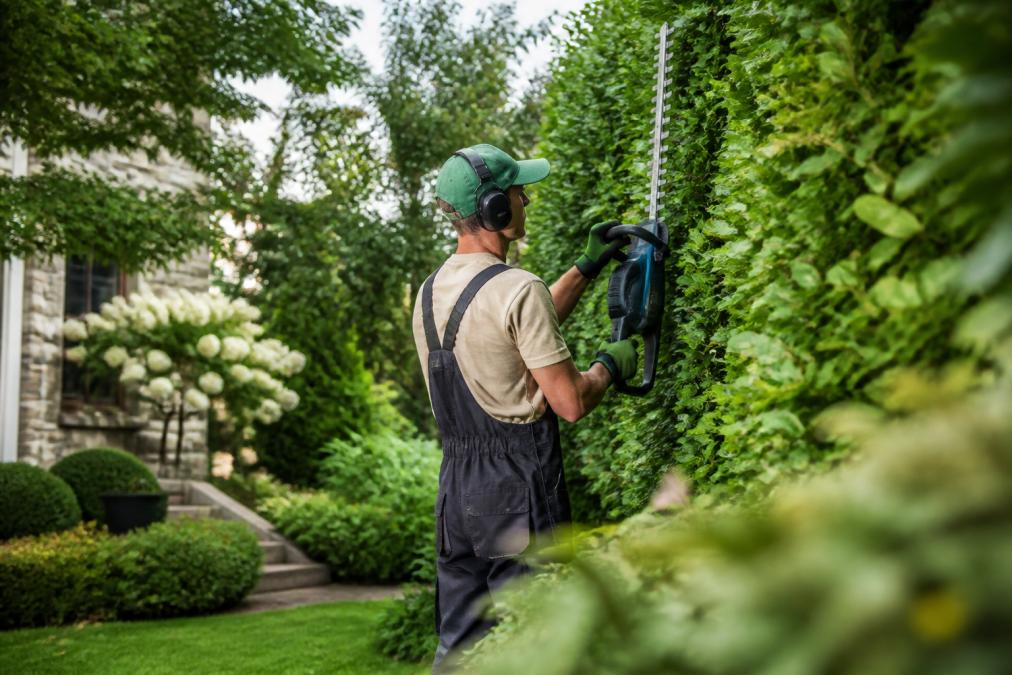
A standard visit covers mowing and edging, hedge trimming, pruning, weed spraying, green waste removal and a general property clean-up. On acreage blocks it also includes slashing and ride-on mowing. Ask any provider for a written scope before the first visit so you know exactly what is covered, what costs extra, and how often each task is scheduled across the year.
How often should I schedule professional garden maintenance?
Most Emerald properties need mowing every two to four weeks through the growing season and roughly every six to eight weeks over winter. Hedges generally need trimming two to three times a year. Blocks with established trees, heavy shade or damp gullies grow faster and may need fortnightly visits. A site assessment is the only reliable way to set a schedule that matches your block.
How do I manage overgrowth on large acreage properties?
Start with a one-off restoration visit rather than a standard maintenance booking. That clears long grass, blackberry, fallen limbs and rubbish before a regular cycle begins. After that, a set schedule with the same crew keeps regrowth from getting away again. On steep or heavily timbered blocks, ride-on equipment and slashing attachments do the bulk of the work safely.
Why choose battery-powered equipment for garden maintenance?
Battery mowers, trimmers and blowers from brands like Stihl and EGO run without exhaust fumes and produce far less noise than petrol equivalents, which matters on quiet, close-set blocks. They also start instantly and need no fuel handling. For most residential blocks they match petrol performance on cut quality. Very heavy slashing on acreage may still call for petrol or ride-on gear.
Managing a large block through four seasons is a scheduling problem as much as a gardening one. Growth outpaces good intentions, and a property that slips in spring costs more to bring back in summer. Terra Maintenance handles residential garden maintenance across the Dandenong Ranges with owner-operated crews, GPS-optimised scheduling, quiet battery equipment and documented visits for every property. Get a free estimate and put your block on a schedule that holds through the year.