 blog
blog
One-Off Property Clean Up Services: What to Expect
Table of Contents
- What is included in a one-off property clean up service
- Garden overgrowth management services and when you need them
- Council compliance property maintenance and documentation
- One-off garden tidy up cost factors explained
- Why reliability matters in one-off property clean up
- How to prepare your property for clean up work
- Frequently Asked Questions
Last Updated: September 21, 2026
What is included in a one-off property clean up service
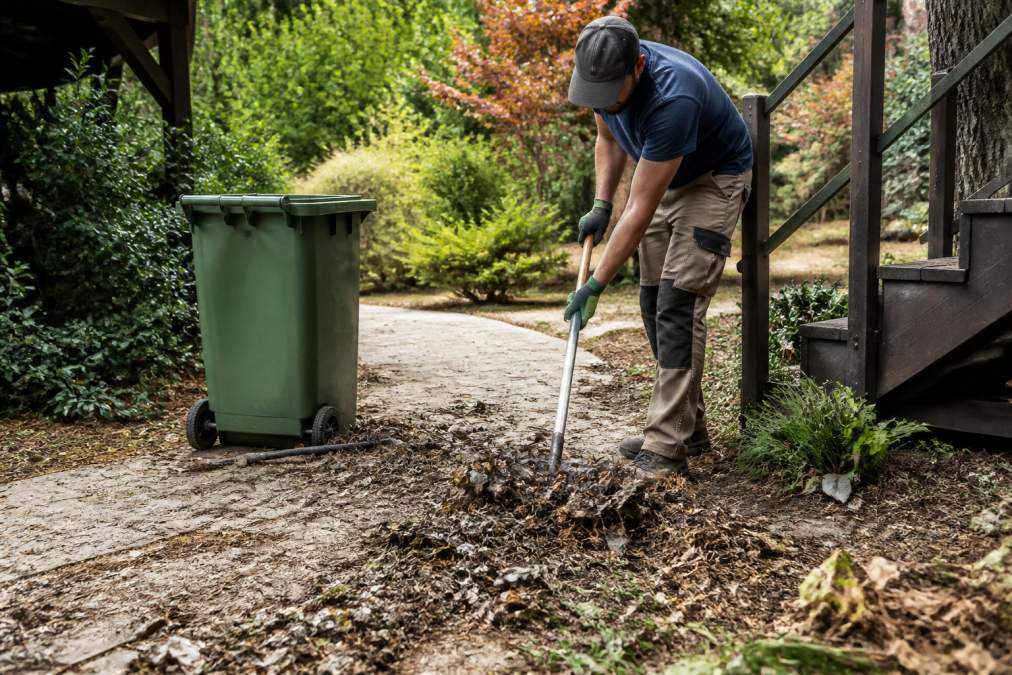
A one-off property clean up removes accumulated debris, overgrowth, and clutter from your property in a single, comprehensive visit. Unlike regular maintenance, this service tackles neglected areas that need intensive work to restore order and safety.
Typical services include garden debris removal, overgrown vegetation clearing, fallen branch collection, leaf litter management, and hard surface cleaning. The scope depends on your property's condition and your specific needs. Some properties need only light tidying; others require extensive clearing after months or years of neglect.
Terra Maintenance handles all of this with quiet, battery-powered equipment that won't disturb your neighbours. The team removes waste responsibly, chipping or mulching material where possible rather than simply hauling everything away.
The work is fully insured, so you're protected if anything goes wrong on site.
Garden overgrowth management services and when you need them
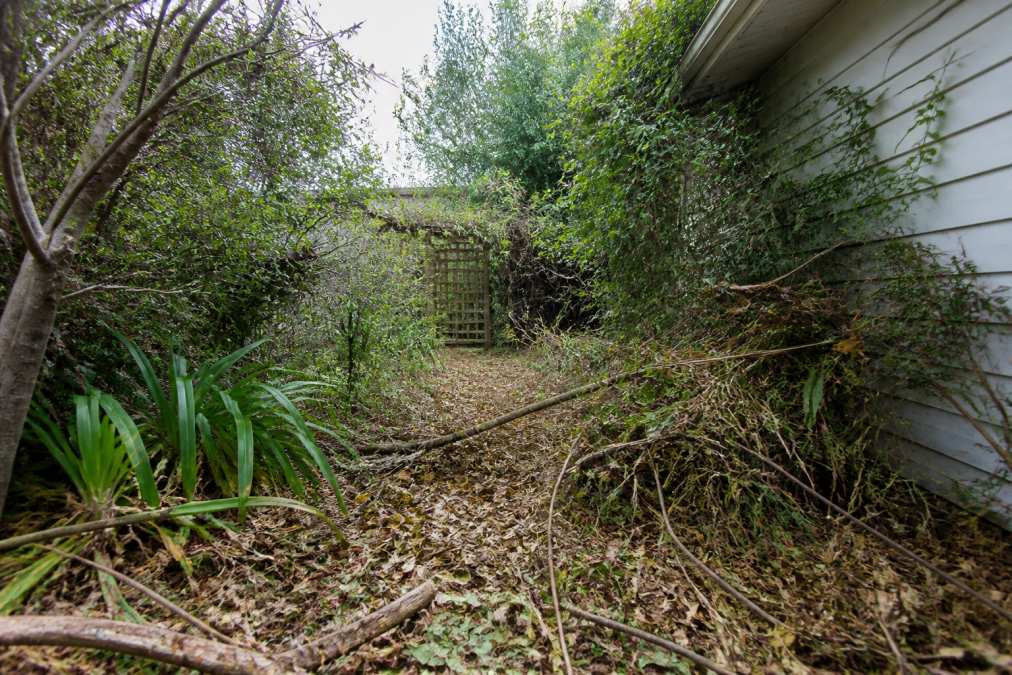
Garden overgrowth management is the systematic removal and control of unwanted vegetation that has exceeded safe or aesthetic limits. It's different from regular mowing because it addresses dense, tangled growth that standard equipment can't handle.
You need this service when:
- Vegetation blocks pathways or access to structures
- Dead branches create safety hazards
- Overgrowth attracts pests or harbours fire risk
- The property has been neglected for 12+ months
- You're preparing a property for sale or rental
- Council compliance requires vegetation management
Overgrowth happens quickly in the Dandenong Ranges. Gum leaf and bark litter accumulates, kikuyu and couch grasses spread aggressively, and blackberry becomes a declared noxious weed that spreads unchecked. Steep and sloping blocks are particularly vulnerable because drainage and sunlight patterns encourage dense growth.
Terra Maintenance uses targeted clearing techniques that remove overgrowth without damaging structures or desirable plants. The team assesses each property individually, identifying what stays and what goes. This matters especially on bushfire-prone blocks where fuel reduction is essential for safety.
Council compliance property maintenance and documentation
Council regulations in Victoria require properties to meet specific grass height and vegetation standards. Failure to comply results in notices, fines, and enforcement action. This is why documentation matters: you need proof that work was done to standard.
Terra Maintenance provides documentation for every one-off property clean up, confirming that work has been completed to council requirements. This is especially important for rental properties, where landlords are responsible for compliance, and for properties in bushfire overlay zones where fuel reduction is mandatory.
Council grass height rules typically specify maximum heights for residential blocks. Overgrowth and noxious weeds like ragwort and blackberry trigger compliance notices. The team ensures your property meets these standards and provides the paperwork to prove it.
For bushfire-prone properties, compliance also includes fuel reduction: clearing dead wood, removing lower branches, and reducing ground fuel load. This isn't optional in high-risk areas, it's a legal requirement under the Vegetation Management Planning and Burning Act. Documentation shows you've taken the steps needed.
One-off garden tidy up cost factors explained
Several factors determine the cost of a one-off property clean up. Understanding these helps you estimate what to expect and prepare your property for the work.
Property size and block shape: Larger properties and steep or sloping blocks take longer to clear safely. A 1000 square metre level block clears faster than a 2-acre hillside. Steep terrain in the Dandenong Ranges requires slower, more careful equipment positioning and often hand-clearing on slopes where machinery cannot operate safely.
Vegetation density: Light tidying costs less than clearing dense overgrowth. A property with scattered fallen branches and light leaf litter is a half-day job. A block choked with kikuyu and couch grass, tangled blackberry runners, and years of accumulated gum bark requires full-day or multi-day work. Established trees and shrubs are faster to work around than intertwined, matted growth that needs untangling.
Debris removal and disposal: Material can be handled three ways. On-site mulching (chipping branches and spreading as ground cover) is the most cost-effective option and improves soil health. Stacking material for council green waste collection costs less than removal but requires space. Full removal by truck is the most expensive but necessary if you have no storage area or council restrictions apply. Clay soils common here benefit from mulch, so this option often saves money long-term.
Access and site conditions: Properties with poor access, narrow gates, or no driveway access cost more because equipment must work slower or material must be carried by hand. Wet or boggy ground after rain slows all work significantly. Properties with underground services (water, gas, electricity) require careful hand-clearing around marked areas, adding time.
Noxious weeds and hazardous material: Declared weeds like ragwort and blackberry require specific handling and disposal to prevent spread. Asbestos, lead paint, or other hazardous materials found during clearing trigger additional safety protocols and disposal costs. Dead trees or unstable branches create safety complexity that increases labour time.
Seasonal timing: Winter (June to August) work is slower because wet ground and shorter daylight hours reduce productivity. Spring (September to November) and autumn (March to May) are optimal, with firm ground and longer working days. Summer (December to February) can be viable but heat limits work intensity.
For a detailed estimate tailored to your property, contact Terra Maintenance. The team visits the site, measures the area, assesses vegetation density and access, identifies hazards, and provides transparent pricing based on actual conditions. Every one-off property clean up is unique, so estimates vary. The estimate can be adjusted on site if conditions differ from the initial assessment.
Why reliability matters in one-off property clean up
Reliability in grounds maintenance means three things: showing up when promised, doing the work to standard, and protecting you if something goes wrong. This matters because you're inviting contractors onto your property, often when you're not home, with access to your structures and surroundings.
Showing up and staying on schedule. Unreliable contractors reschedule repeatedly, arrive late, or don't show at all. This leaves you without the one-off property clean up you've planned for, disrupts your timeline if you're preparing for sale or rental, and wastes your time managing rescheduling. Terra Maintenance uses GPS-optimised scheduling and battery-powered equipment. Owner-operated means Harrison and Jesse Ashford manage every job personally, not a rotating roster of different contractors.
Doing the work to standard. Reliability means understanding local conditions and requirements. The team knows clay soils in the Dandenong Ranges become waterlogged after rain, affecting how and when work can proceed safely. They understand council grass height rules and bushfire fuel reduction requirements, so documentation reflects actual compliance. They know the difference between a declared noxious weed (ragwort, blackberry) that requires specific disposal and a plant you might want to keep.
Insurance and liability protection. A fully insured contractor protects you if equipment damages your property, a contractor is injured on site, or debris causes harm. Public liability insurance covers these scenarios. Without it, you're personally liable for injuries or damage. Ask any contractor for proof of current public liability insurance before booking. A reliable provider carries cover and is happy to show it. This protects both you and them.
Documentation and accountability. Reliable contractors provide written confirmation of work completed, including dates, scope, and compliance status. This matters for council compliance records, rental property management, insurance claims, and property sale disclosures. If a dispute arises about what was done or when, documentation is your proof.
Local knowledge and continuity. A contractor who operates in the region understands seasonal patterns, local council requirements, soil types, and common vegetation issues. They're invested in reputation within the community, not a fly-by service. Owner-operated means the same people return if follow-up work is needed, so they remember your property and its specific challenges.
How to prepare your property for clean up work
Preparing your property before the work begins makes the job faster, safer, and more effective. Simple steps on your part reduce the time needed and help contractors work efficiently.
Clear pathways: Mark or remove obstacles that block access to the areas needing work. This helps contractors position equipment safely.
Identify keepers: Point out plants, trees, or structures you want to protect. The team avoids damaging what you want to keep.
Secure pets and children: Grounds work involves moving equipment and handling debris.
Frequently Asked Questions
What is included in a one-off property clean up service?
A one-off property clean up typically includes lawn mowing, overgrowth removal, debris collection, and general tidying. Services vary depending on your property's condition and specific needs. Some providers offer gutter cleaning, leaf removal, or hedge trimming as add-ons. Your service provider should outline exactly what's included before work begins, so you know what to expect and can request additional tasks if needed.
How do I find reliable one-off property clean up services in the Dandenong Ranges?
Look for providers who are fully insured and bonded, with verifiable local experience on residential properties. Check whether they use professional equipment and can provide documentation of work completed. Ask about their scheduling reliability and whether they offer the same team for consistency. Request references from local properties they've maintained. A provider with transparent communication and a clear estimate process is more likely to deliver reliable service.
What factors affect the cost of a one-off garden tidy up?
Cost depends on property size, the extent of overgrowth, terrain difficulty (steep or sloping blocks cost more), debris volume, and the specific services needed. Properties with heavy gum leaf litter or extensive weed growth typically take longer. Equipment type also matters. Get an estimate from your provider based on a site inspection, as accurate pricing requires assessing your specific conditions.
Are there council regulations I need to follow for property maintenance?
Yes. Victoria has council grass height rules that vary by local authority, and overgrown properties can trigger compliance notices. Some areas have bushfire overlay requirements affecting vegetation management. Declared noxious weeds like blackberry and ragwort must be controlled. Your council can advise on specific rules for your property. A professional service provider familiar with local compliance can help ensure your property meets requirements and provide documentation if needed for council verification.