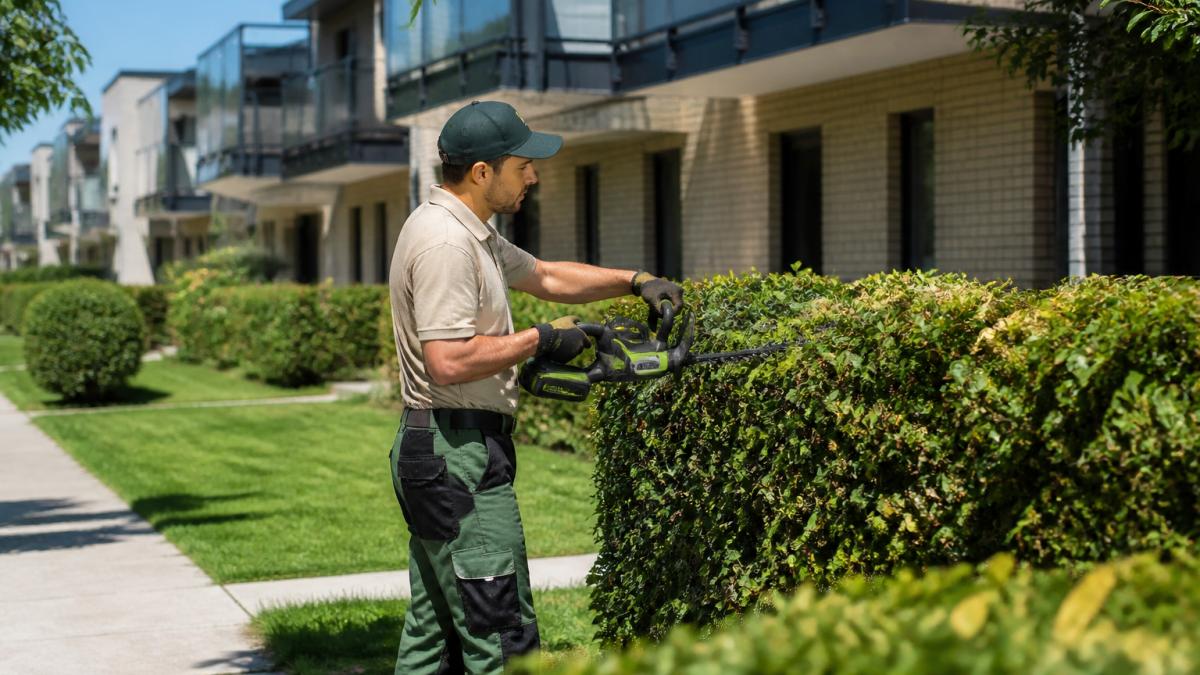
 ultimate-guide
Garden Maintenance for Rental Properties: 2026 Guide
Table of Contents
- Who Handles What: Rental Property Garden Maintenance Responsibilities
- What Belongs in the Garden Maintenance Clause in a Tenancy Agreement
- Rental Property Lawn Maintenance: Mowing, Edging and Seasonal Timing
- Your Rental Property Garden Inspection Checklist
- Routine Garden Tasks: Weeding, Watering, Pruning and Green Waste
- When to Bring In a Garden Contractor
- Frequently Asked Questions
Last Updated: October 5, 2026
Who Handles What: Rental Property Garden Maintenance Responsibilities
Garden maintenance for rental properties sits with the tenant for routine care and with the landlord for anything structural, dangerous or capital in nature.
A tenancy agreement rarely spells out who pulls the weeds.
Below, we cover the clause wording that prevents disputes, a task-by-task responsibility matrix, seasonal timing for local conditions, and when a garden contractor becomes the sensible option.
The General Rule: Routine Care vs Structural Work
Routine garden care is the tenant's job; structural garden work is the landlord's. Mowing, weeding, watering and tidying fall to the tenant as low-cost, recurring tasks. Tree removal, irrigation repairs, retaining wall work and anything requiring a qualified arborist sit with the landlord as capital works or safety matters.
That distinction is the one most tenancy authorities and property managers apply. A tenant who lets the lawn run to seed has breached their obligation to keep the premises reasonably clean.
The murky middle ground is a hedge grown beyond a tenant's reach, or a garden bed already overgrown at the start of the lease. The entry condition report settles those cases.
What Belongs in the Garden Maintenance Clause in a Tenancy Agreement
A garden maintenance clause in a tenancy agreement should name the tenant's tasks, the standard expected, and the tasks the landlord retains. Vague wording like "tenant to maintain the garden" is the biggest cause of end-of-lease disputes.
A well-drafted clause covers:
- Which areas the tenant maintains (front yard, rear yard, nature strip)
- The expected frequency of mowing and edging
- Whether the tenant waters established plants, and how often
If the landlord wants a low-maintenance garden that survives a tenancy, the clause should reflect the plants on site. Drought-resistant species reduce the watering burden and the chance of a tenant letting the garden fail.
Rental Property Lawn Maintenance: Mowing, Edging and Seasonal Timing
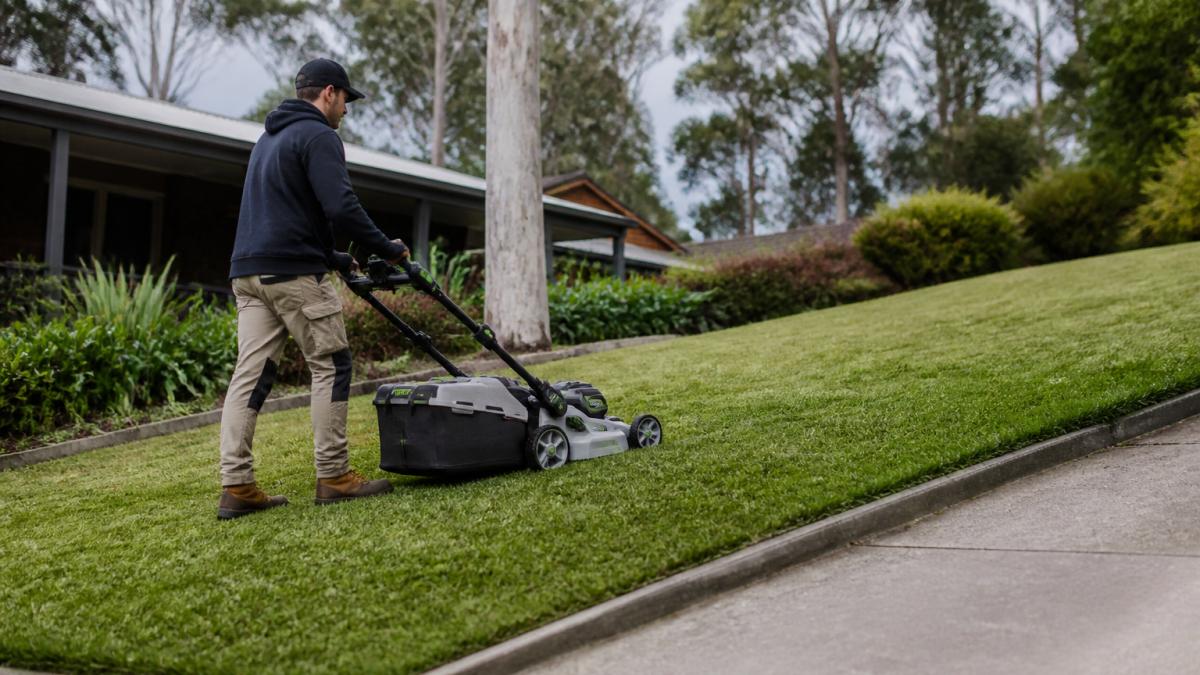
Rental property lawn maintenance means keeping grass at a reasonable height, trimming edges, and mowing often enough that the lawn never becomes a nuisance or a fire risk. For most lawns in the Dandenong Ranges and outer south-east Melbourne, that is a fortnightly mow through the growing season and a monthly cut over the cooler months. The exact interval depends on grass type, slope, shade and soil moisture. Timing follows southern hemisphere seasons: growth peaks from September to March, slows through April, and nearly stalls from June to August. A practical calendar for a typical local block:
| Period | Season | Typical mowing interval | Other lawn work |
|---|---|---|---|
| September to November | Spring | Fortnightly | Edge paths, fertilise, treat broadleaf weeds |
| December to February | Summer | Fortnightly, weekly on irrigated kikuyu | Raise cutting height, watch for dry patches |
| March to May | Autumn | Fortnightly, then monthly by May | Aerate compacted clay, clear leaf litter |
| June to August | Winter | Monthly, or as growth allows | Avoid mowing waterlogged clay, keep edges tidy |
Grass type changes the schedule. Kikuyu and couch surge from September to March and can need weekly cutting on an irrigated lawn.
Local conditions shape the job more than the calendar does:
- Clay soils hold moisture and can bog a mower for days after heavy rain. Mowing wet clay also smears the surface and compacts it further.
- Steep and sloping blocks in Emerald, Monbulk and Gembrook are harder to cut safely, and a domestic push mower is not always the right tool.
- Gum leaf and bark litter drops year-round and smothers grass if it is not cleared before mowing.
Edging matters as much as mowing for presentation.
If a tenancy includes a nature strip, the clause should say who mows it. Some councils expect the adjoining occupier to maintain it, others take responsibility themselves, so check the local rule.
Your Rental Property Garden Inspection Checklist
A rental property garden inspection checklist lets both parties document garden condition at the start and end of a tenancy, which protects a bond. The entry condition report is the reference point: if the garden was already weedy or the lawn patchy at move-in, that is on record.
Use this checklist at both the entry and exit inspection:
- Lawn height and coverage across all areas, including nature strip
- Lawn edges trimmed along paths and driveways
- Garden beds free of weeds, including declared noxious weeds such as blackberry and ragwort
- Hedges and shrubs pruned to their recorded height and shape
Photos, Entry Reports and Dispute Resolution
Photographs are the cheapest insurance in a tenancy dispute. Date-stamped photos of the garden at the start and end of the lease carry far more weight than a written description alone.
If a dispute arises, raise it in writing with the other party first. If that fails, the matter can go to the state tenancy authority or the relevant tribunal.
Routine Garden Tasks: Weeding, Watering, Pruning and Green Waste
Routine garden upkeep covers the recurring jobs that keep a property presentable: weeding, watering, pruning and removing green waste.
The standard tasks and their typical frequency:
| Task | Who handles it | Typical frequency |
|---|---|---|
| Mowing and edging | Tenant | Fortnightly in growing season |
| Weeding garden beds | Tenant | Monthly |
| Watering established plants | Tenant | As needed, more in summer |
| Pruning hedges and shrubs | Tenant or landlord | Seasonally |
| Green waste removal | Tenant | After each tidy-up |
| Tree removal or major pruning | Landlord | As required |
Watering deserves a specific mention. Over summer, established plants in the Dandenong Ranges can struggle without regular watering, and water restrictions may apply. A low-maintenance garden with drought-resistant plants reduces this burden considerably.
Pruning is the task most often misassigned. Light trimming of hedges and shrubs is routine.
When to Bring In a Garden Contractor
A garden contractor becomes the right call when the work exceeds what a tenant can reasonably do, when a property has been neglected, or when the landlord wants documented, consistent maintenance. Overgrown blocks, acreage, steep terrain and safety hazards all point to professional help.
The clearest signals it is time to engage a contractor:
- The block has been neglected for a season or more
- The property is on acreage or a steep, sloping site
- There are blackberry, ragwort or other declared noxious weeds
- Trees need assessment or removal near structures or powerlines
Who Pays, and How to Agree on the Work
Cost-sharing is the part most tenancy agreements leave vague, and the main source of arguments once a contractor is involved. The general pattern property managers apply:
| Situation | Who usually pays |
|---|---|
| Routine mowing and tidying the tenant agreed to do | Tenant |
| One-off clean-up of a garden already overgrown at the start of the lease | Landlord |
| Work the landlord arranges for their own convenience, such as a regular gardener | Landlord |
| Damage caused by the tenant, such as a broken irrigation line | Tenant |
| Structural, safety or capital work, such as tree removal or retaining walls | Landlord |
| Fuel reduction required under a bushfire overlay or council notice | Landlord |
If the tenant wants to bring in their own contractor for routine work, get written approval from the landlord or property manager first. That approval should cover the scope of work, who pays, and whether the arrangement continues for the life of the tenancy.
For landlords, the reverse applies. If you want a gardener to attend on a schedule, put it in the agreement and state who covers the cost.
Approval, Access and Documentation
Before any contractor starts, three things should be settled in writing:
- Scope: which areas are included, and which are excluded
- Access: how the contractor gets in, and whether the tenant needs notice
- Evidence: photos or a short written record of work completed, which the landlord can keep for council or insurance purposes
For landlords in fire-prone areas under a bushfire overlay, fuel reduction work is not optional.
This is where Terra Maintenance fits. Our services cover lawn mowing, hedge trimming, overgrowth management, weed management, mulching and chipping, and leaf removal.
If you are a landlord or property manager weighing up whether to engage a contractor, the answer depends on the site. A small, flat, low-maintenance garden rarely justifies the cost.
Frequently Asked Questions
Who is responsible for garden maintenance during a tenancy?
The tenant generally handles routine garden care, which includes mowing, watering, weeding and keeping outdoor areas clean and tidy. The landlord is responsible for major or structural work, such as tree removal, irrigation repairs or anything requiring a qualified tradesperson. The split is usually written into the lease agreement, so check the garden maintenance clause in your tenancy agreement before assuming who pays for what.
Is cleaning gutters a tenant's responsibility?
In most residential tenancy agreements, gutter cleaning sits with the landlord because it involves working at height and carries safety risk. Some leases pass it to the tenant only where the property is single-storey and safe access is available. Because tenancy rules differ by state, confirm the position with your state's tenancy authority or the property manager before arranging the work yourself.
How should garden maintenance responsibilities be recorded in a tenancy agreement?
Spell out each task rather than using vague phrases like keep the garden tidy. List mowing frequency, who waters plants, who trims hedges, how green waste is removed, and what condition the garden must be in at the end of the lease. Attach photos or a garden condition report to the entry condition report so both parties agree on the starting point.
What should landlords check during a rental property garden inspection?
Walk the property and check lawn height against council grass rules, weed growth, hedge and shrub shape, tree health and any fallen limbs, irrigation function, and whether outdoor areas are free of rubbish. Compare current condition against the entry condition report photos. Note anything that needs action and send it to the tenant or property manager in writing with a date.
Can a landlord arrange a gardener for a rental property?
Yes. Landlords can engage a garden contractor for routine or one-off work, and this is common where the tenant cannot manage large blocks, steep ground or overgrowth. The cost arrangement should be stated in the lease. If the landlord pays, the tenant still needs to keep the garden in reasonable condition between visits and report any damage or hazards promptly.
How often should a rental property's lawn be maintained?
Fortnightly mowing suits most lawns through spring and summer, dropping to every three to four weeks in autumn and winter when growth slows. In the Dandenong Ranges, kikuyu and couch can push through faster after rain, so weekly cuts may be needed in peak growth. Check the lease for a stated frequency and follow council grass height rules.
What does garden maintenance entail for a rental property?
It covers mowing, lawn edges, whipper snipping, weeding, watering, pruning hedges and shrubs, removing fallen leaves and green waste, and keeping outdoor areas clean and free of rubbish. Major items such as tree removal, land clearing or irrigation repairs sit outside routine care and usually fall to the landlord.
Which garden maintenance services do landlords commonly arrange?
Landlords most often arrange regular mowing and edging, hedge trimming, weed management for declared noxious weeds such as blackberry and ragwort, leaf and gutter clearing, and one-off overgrowth management between tenancies. On acreage or steep blocks, mulching, chipping and land clearing are also common before a new lease starts.