 ultimate-guide
Council Grass Height Regulations Victoria: 2026 Guide
Table of Contents
- How Council Grass Height Regulations Work in Victoria
- Fire Prevention Notices Victoria: What Triggers Them
- Council Nature Strip Maintenance Guidelines Explained
- Noxious Weed Management Victoria: Your Legal Duties
- How to Check Your Local Council's Grass Height Rules
- Practical Maintenance Tips for Staying Compliant
- Penalties and Enforcement: What Happens If You Ignore a Notice
- Frequently Asked Questions
Last Updated: September 27, 2026
How Council Grass Height Regulations Work in Victoria
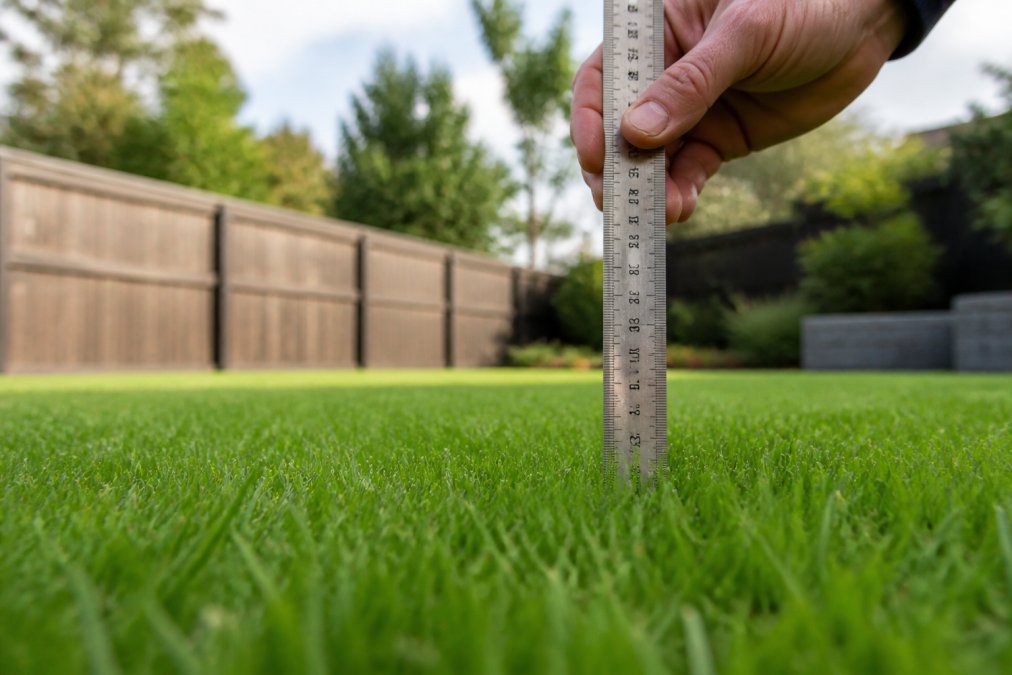
Council grass height regulations Victoria are set by each individual local council, not by a single statewide rule. There is no one number that applies everywhere. In the Dandenong Ranges and outer south-east Melbourne, the rules for your block come from your council's local law, with fire prevention requirements layered on top.
Penalties for getting it wrong are real, and the rules change depending on whether your land is a residential lot or a rural holding. The most common mistake landowners make is assuming a statewide figure exists.
Below, we break down how the system actually works, what triggers a fire prevention notice, and how to check the exact rules for your address.
No Single Statewide Height Limit
Victoria has no single statewide grass height limit. Each council writes its own local law covering property maintenance, and those laws set different maximum turf heights, inspection regimes and penalty structures.
Some councils specify a maximum height in their local law. Others describe the obligation in general terms, such as keeping land free of excessive growth that creates a fire hazard or nuisance. A few rely mainly on fire prevention notices during the declared Fire Danger Period rather than a year-round figure.
The practical consequence is simple. You cannot rely on a number from a neighbour in a different council area, or on a figure quoted in a national article. You need the rule that applies to your specific title.
Residential Versus Rural Requirements
Residential and rural properties are treated differently, and the gap is wider than most people expect.
On a standard residential lot, councils typically focus on the nature strip, the front yard visible from the street, and any vacant land. The obligation is about amenity and neighbourhood appearance as much as fire risk, enforced through routine inspections and neighbour complaints.
On rural and acreage land, the emphasis shifts toward fire hazard and vegetation management. Requirements may cover undergrowth, fallen timber, bark litter and vegetation clearance around structures, not just grass length. A block of several acres is assessed on fuel load and fire risk, not on how tidy the lawn looks.
If your property sits on the bushfire overlay, expect stricter expectations again. Fuel reduction obligations can apply regardless of whether your land is classified residential or rural.
| Property Type | Primary Focus | Typical Enforcement Trigger |
|---|---|---|
| Residential lot | Amenity, nature strip, visible frontage | Routine inspection, neighbour complaint |
| Rural or acreage | Fire hazard, undergrowth, fuel load | Fire prevention notice, inspection |
| Bushfire overlay | Fuel reduction, vegetation clearance | Fire Danger Period, notice |
Fire Prevention Notices Victoria: What Triggers Them
A fire prevention notice Victoria is issued when a council or the CFA determines that vegetation on your land presents a fire hazard. It is a legal direction with a deadline.
Notices are most commonly triggered during the lead-up to and during the declared Fire Danger Period, when dry grass, undergrowth, and accumulated leaf and bark litter become a genuine ignition risk.
CFA Fire Danger Period and Fuel Reduction
The Fire Danger Period is declared by the CFA for each municipality, and its start date varies by location and season (Fire restriction dates). During that period, burning off restrictions apply and fuel reduction obligations become more urgent.
Fuel reduction is broader than mowing. It covers:
- Slashing long grass across paddocks and open areas
- Removing accumulated leaf, bark, and twig litter
- Clearing undergrowth and low-level vegetation
- Creating and maintaining defendable space around buildings
- Removing fallen timber that adds to fuel load
Council Nature Strip Maintenance Guidelines Explained
Council nature strip maintenance guidelines set out who is responsible for the strip of grass between your property boundary and the road. In most Victorian councils, the adjoining landowner maintains the nature strip, even though the council owns the land.
Noxious Weed Management Victoria: Your Legal Duties
Noxious weed management Victoria places a legal duty on landowners to control declared weeds on their property. This is separate from grass height rules and applies regardless of how tidy your lawn looks.
Native Grass Versus Weed Identification
Telling native grasses apart from weeds matters, because you can be penalised for clearing the wrong thing or failing to control the right one.
| Species Type | Growth Habit | Your Obligation |
|---|---|---|
| Native grass | Tussock-forming, clumped | Protect; do not clear without approval |
| Blackberry | Dense thickets, spreading | Control as a declared weed |
| Ragwort | Rosette then tall flower stems | Control as a declared weed |
How to Check Your Local Council's Grass Height Rules
Checking your council's rules takes about ten minutes if you know where to look. Most councils publish their local law, fire prevention information and nature strip policy on their own website.
Work through these steps:
- Find your council by entering your address into the Victorian government's council lookup.
- Search that council's website for "local law" and open the current version.
- Search the same site for "fire prevention" or "fire hazard" information.
- Look for a nature strip or roadside maintenance page.
- If a figure is unclear, call the council's compliance or municipal laws team directly and ask what applies to your address.
Practical Maintenance Tips for Staying Compliant
Staying compliant is mostly about rhythm rather than effort. Properties that get into trouble are usually the ones where maintenance is reactive, done only when a notice arrives.
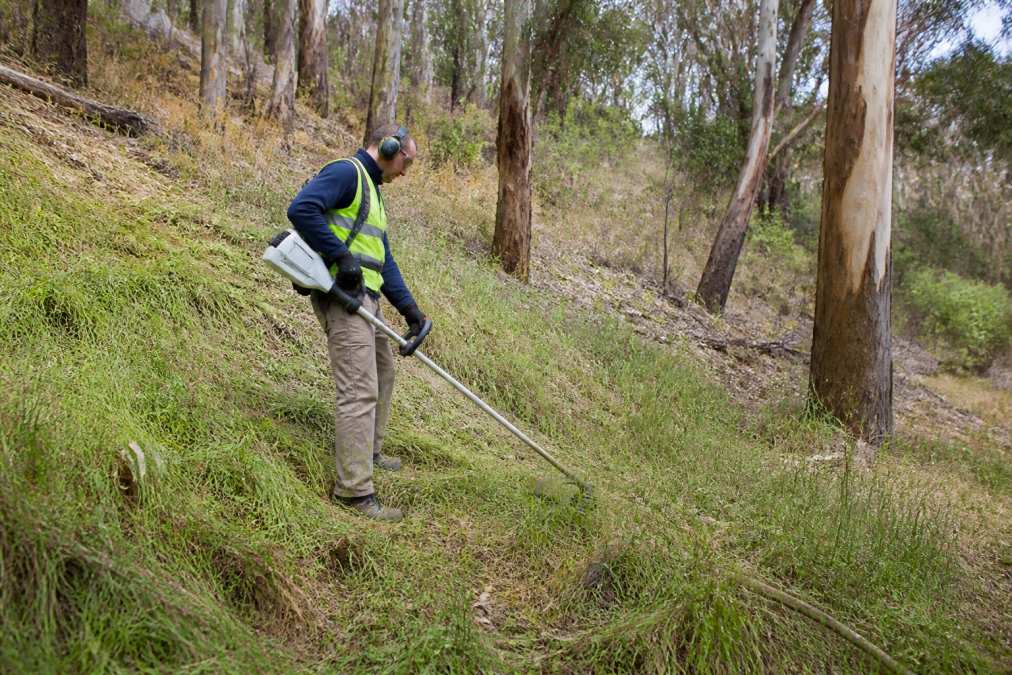
- Mow on a fixed schedule through spring and summer rather than waiting for growth to get ahead of you. Grass growth peaks from September through to February.
- Slash paddocks and open areas before the Fire Danger Period is declared, not after.
- Clear gutters and remove leaf and bark litter from around structures, since this is where ember attack risk concentrates.
- Treat declared weeds on their own schedule, separate from mowing, because mowing alone will not control them.
- Walk the boundary and the areas you cannot see from the house at least once a month during the growing season.
Penalties and Enforcement: What Happens If You Ignore a Notice
Ignoring a fire prevention notice or a local law direction leads to escalating consequences. Councils generally start with a notice and a deadline, then escalate if the deadline passes without action.
Frequently Asked Questions
Do local councils in Victoria set a specific height limit for grass?
There is no single statewide height limit. Each local council sets its own rules under the Local Government Act 2020 and its local laws. Some councils specify a maximum height such as 30 centimetres, while others use qualitative terms like 'excessive growth' or 'fire hazard'. The practical trigger is usually a complaint from a neighbour or a fire prevention notice. Always check your own council's website or community laws for the exact rule that applies to your property.
What are the fire prevention requirements for grass height in Victoria?
During the declared Fire Danger Period, the Country Fire Authority and local councils can issue a fire prevention notice requiring you to slash or mow grass, remove fine fuels and reduce undergrowth on your property. The notice specifies a deadline. If you do not comply, the council can arrange the work and pass the cost to you, plus potential fines. Requirements vary by municipality and by whether your land is in a bushfire overlay area.
Are there different rules for nature strips versus private land?
Yes. A nature strip is council-owned land, but most Victorian councils require the adjoining property owner to maintain it under council nature strip maintenance guidelines. You are generally responsible for mowing and edging, but you cannot plant trees, install structures or remove the strip without permission. On private land, your obligations come from local laws and fire prevention notices. If you are unsure who is responsible, contact your council.
How do I avoid a council notice for long grass on my property?
Keep grass below the height your council specifies, especially during spring and summer when growth accelerates. Slash or mow regularly, remove cut material, and control declared noxious weeds such as blackberry and ragwort. If you receive a fire prevention notice, act before the deadline. For acreage or steep blocks that are hard to maintain, arrange scheduled slashing. Document the work with dated photos in case you need to show compliance.
What is the role of the Country Fire Authority in grass management?
The Country Fire Authority (CFA) declares the Fire Danger Period for each region and provides fire prevention guidelines. During that period, the CFA works with local councils to enforce fuel reduction on private land. The CFA does not mow your property, but its declarations trigger the fire prevention notices that councils issue. You can check the CFA website for the current Fire Danger Period dates for your area.
Can I be fined for not mowing my nature strip?
Yes. Many Victorian councils can issue an infringement notice if you fail to maintain the nature strip next to your property. The exact penalty amount varies by council and is set in its local laws. Councils often issue a warning first, then a fine, and may arrange for a contractor to mow the strip and charge you the cost. Check your council's local law or website for the current penalty.